
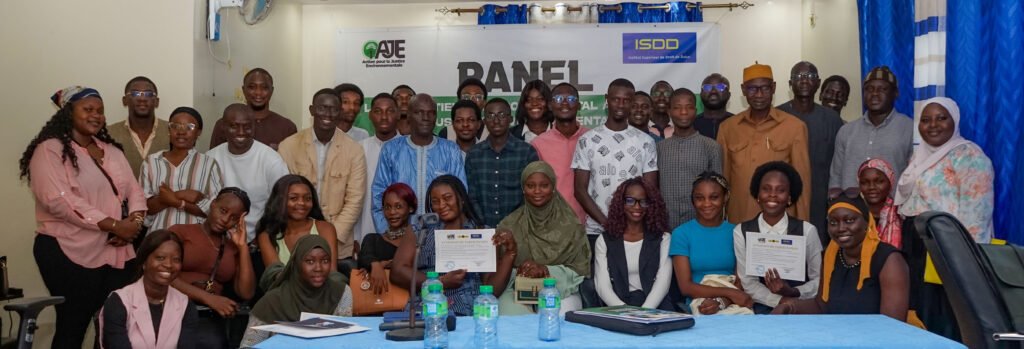

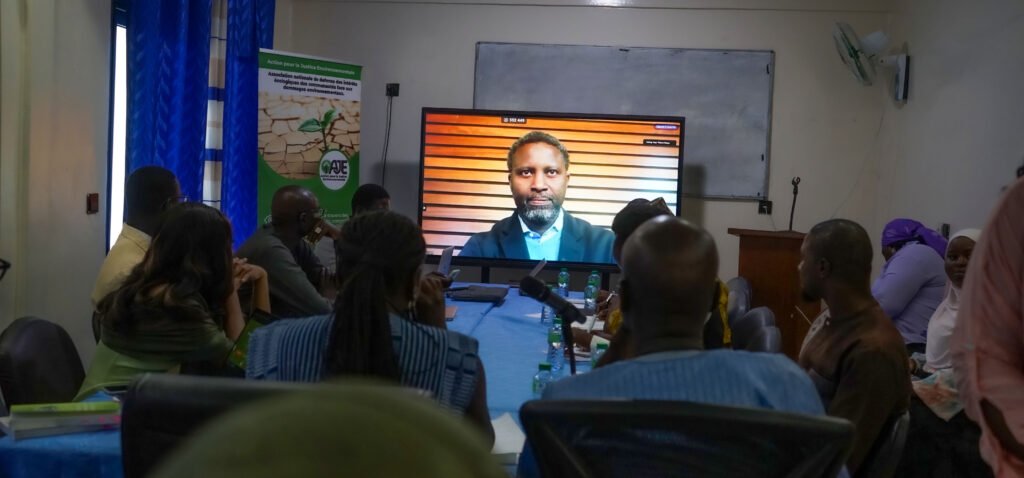
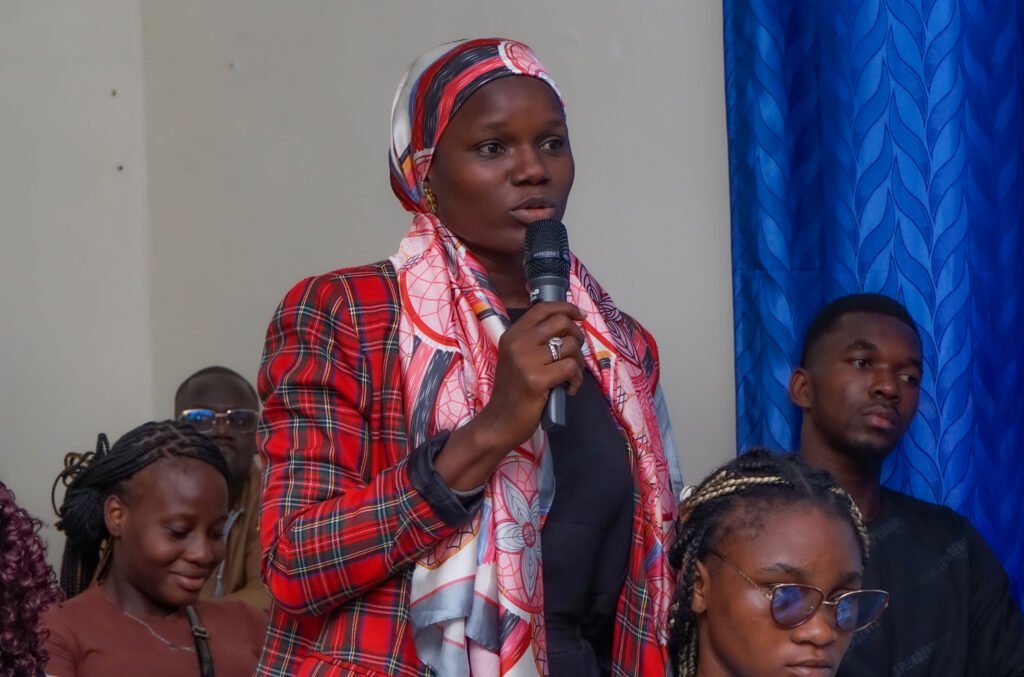
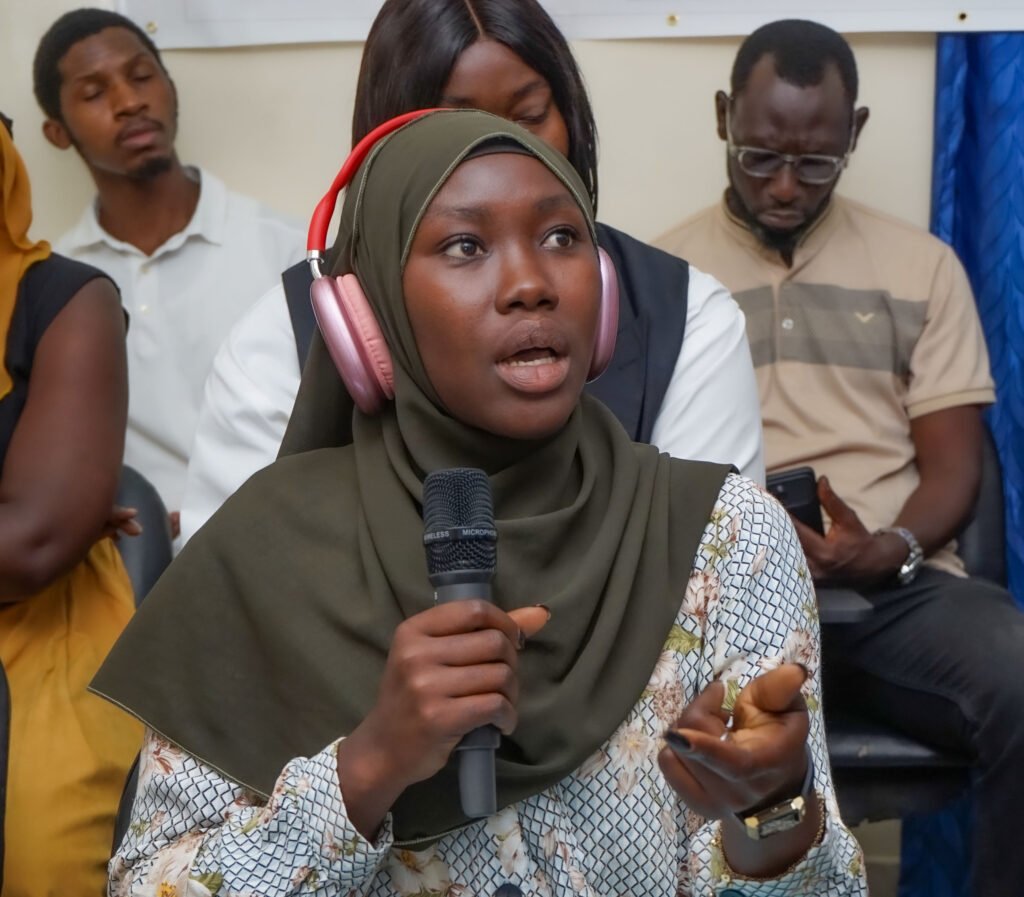


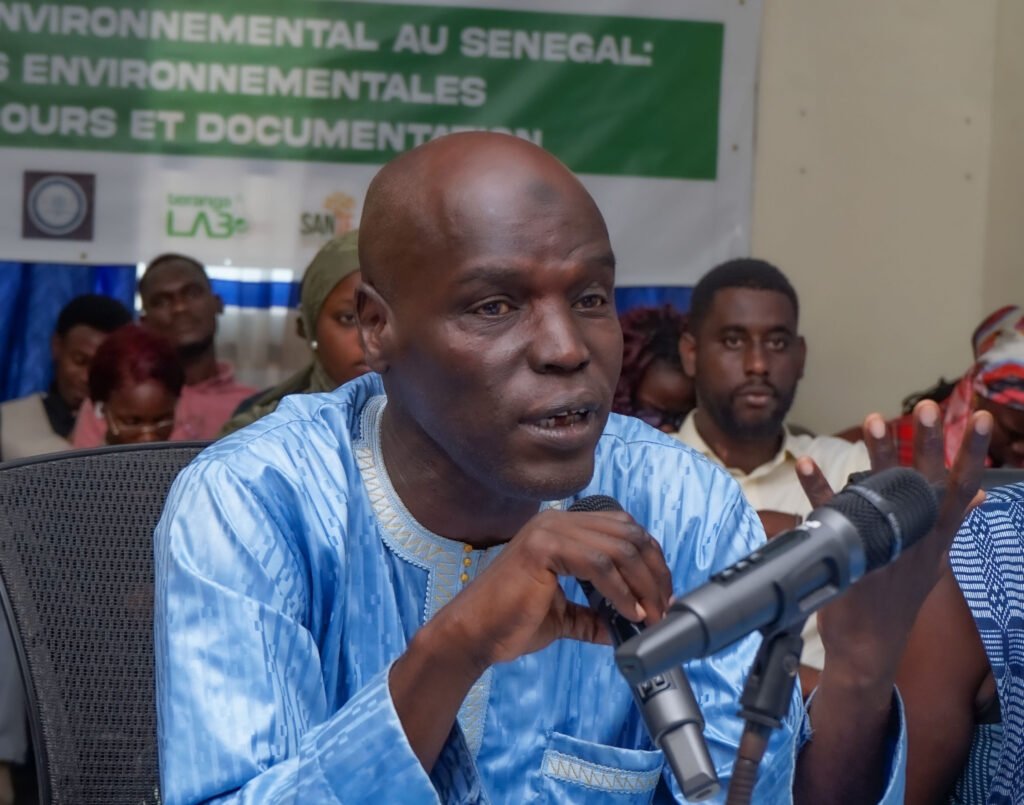
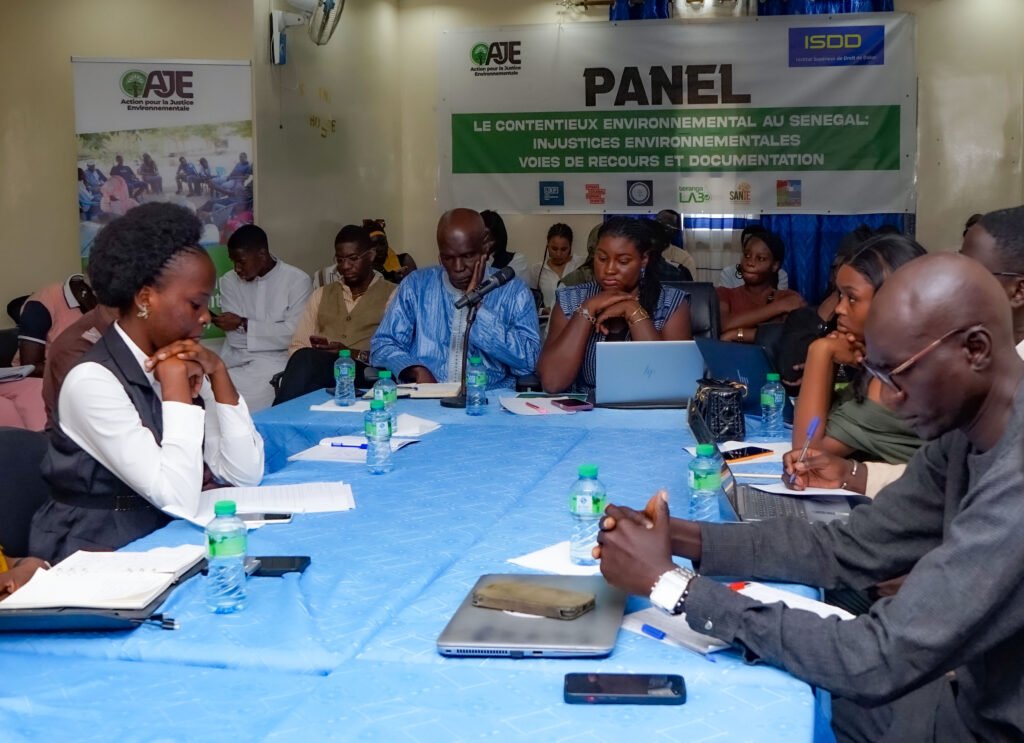



Dakar, août 2025 — En réponse aux défis environnementaux pressants et à la nécessité de préserver son patrimoine naturel, le Sénégal a révisé en 2023 son Code de l’environnement. Cette réforme ambitieuse vise à instaurer un cadre juridique plus robuste, en renforçant la lutte contre la pollution, la protection de la biodiversité et la responsabilisation des citoyens et des entreprises.
Ce nouveau Code introduit des avancées majeures : des procédures plus claires pour les autorisations environnementales, une meilleure prise en compte des zones écologiquement sensibles, des mesures pour encourager l’économie circulaire et la gestion durable des déchets, des incitations concrètes à adopter des pratiques écoresponsables, et une reconnaissance renforcée du droit des citoyens à l’information environnementale.
Mais la réussite de ce cadre juridique dépend largement de son appropriation par les acteurs locaux : jeunes, femmes, personnes en situation de handicap, ainsi que les services techniques en première ligne. Or, ces groupes manquent souvent d’un accès clair et simplifié à l’information juridique.
C’est dans ce contexte que l’Action pour la Justice Environnementale (AJE) se mobilise activement pour sensibiliser, informer et former ces publics clés à travers des activités de vulgarisation du nouveau Code de l’environnement. L’objectif : garantir que chaque citoyen·ne, quel que soit son profil, puisse jouer un rôle dans la protection de l’environnement au Sénégal.
AJE — Ensemble, construisons une société plus juste, plus verte et plus inclusive.
Dakar, août 2025 — Face aux défis croissants du changement climatique et aux inégalités d’accès à l’énergie, l’Action pour la Justice Environnementale (AJE), en partenariat avec le Club Vert de l’ESEA, a organisé une session de projection de films court-métrage suivie d’un panel de discussion. L’objectif : sensibiliser les élève-ingénieurs aux enjeux de justice énergétique et favoriser un dialogue inclusif autour de la transition énergétique durable.
Dans un contexte où le Sénégal connaît des disparités marquées dans l’accès à l’énergie, en particulier dans les zones rurales et périurbaines, cette initiative visait à sensibiliser les élèves sur l’injustice énergétique, présenter des cas concrets à travers des films documentaires, et encourager le dialogue intergénérationnel et les initiatives estudiantines autour de l’énergie durable.
Déroulement de l’activité
Après le mot de bienvenue du président du Club Vert de l’ESEA, la projection du court-métrage « L’Espoir Échoué – Attention pétrole » du groupe ARCOTS de Bargny a illustré l’histoire d’un jeune pêcheur qui, attiré par les gains liés à l’exploitation pétrolière, abandonne sa barque familiale pour se retrouver face à un avenir incertain.
Les échanges ont mis en lumière la responsabilité collective de la protection de l’environnement, les alternatives renouvelables dont dispose le Sénégal (soleil, vent, biomasse), la souveraineté énergétique et alimentaire, et la nécessité de politiques publiques adaptées pour une répartition équitable des ressources.
AJE — Ensemble, construisons un avenir énergétique équitable, durable et accessible à tous.
Du 18 au 20 juin 2025, Action pour la Justice Environnementale (AJE) a pris part à un atelier d’échange et de formation à Abidjan, en Côte d’Ivoire. Cet événement, organisé par la Fédération Internationale pour les Droits Humains (FIDH) en partenariat avec la Ligue Ivoirienne des Droits de l’Homme (LIDHO) et le Mouvement Ivoirien des Droits Humains (MIDH), portait sur la thématique : entreprises, droits humains et environnement.
Renforcer les capacités autour des enjeux actuels
Les sessions de l’atelier ont permis de renforcer la compréhension des enjeux liés aux entreprises, aux droits humains, à l’environnement, ainsi qu’aux violences sexuelles basées sur le genre (VSBG) et à l’intégration de la perspective de genre. Les participantes ont bénéficié de modules à la fois théoriques et pratiques.
Des outils pour documenter les violations
L’atelier a également initié les participantes à plusieurs outils et techniques permettant de documenter les violations commises par les entreprises et les VSBG, notamment : la conduite d’entretiens, la cartographie du pouvoir, les techniques « Follow the money » et l’utilisation des outils de recherche en source ouverte (OSINT).
Un espace d’apprentissage mutuel
Au-delà de la formation, cet événement a été un véritable espace d’échange et de partage d’expériences entre les organisations membres de la FIDH et leurs partenaires, renforçant les liens de collaboration et ouvrant de nouvelles perspectives de travail en réseau.
Vers une cartographie des contentieux environnementaux
Dans le cadre de la procédure du devoir de vigilance, la FIDH prévoit de mettre à disposition des partenaires les outils et ressources nécessaires pour mener une cartographie stratégique des contentieux environnementaux.
AJE se réjouit de cette participation qui s’inscrit dans ses efforts constants de formation, de réseautage et d’engagement pour une justice environnementale effective et la protection des droits humains.